

Ad · Book recommendations
Build your public speaking skills
Explore practical books to help you structure arguments, think on your feet, engage an audience and speak with greater confidence in debates, presentations and interviews.
OUDC is supported by voluntary donations. As an Amazon Associate, we earn a small commission from qualifying purchases made through these links, at no extra cost to you.
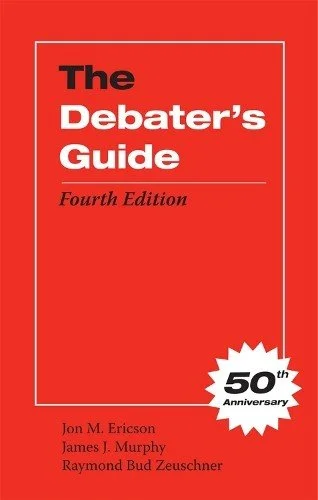
The Debater’s Guide
A practical introduction to building cases, rebutting arguments, questioning opponents and delivering structured speeches. It helps students organise their ideas and speak from clear notes rather than a full script.
Systematic, practical and useful across several debate formats. More focused on formal debate than storytelling, vocal delivery or modern presentation styles
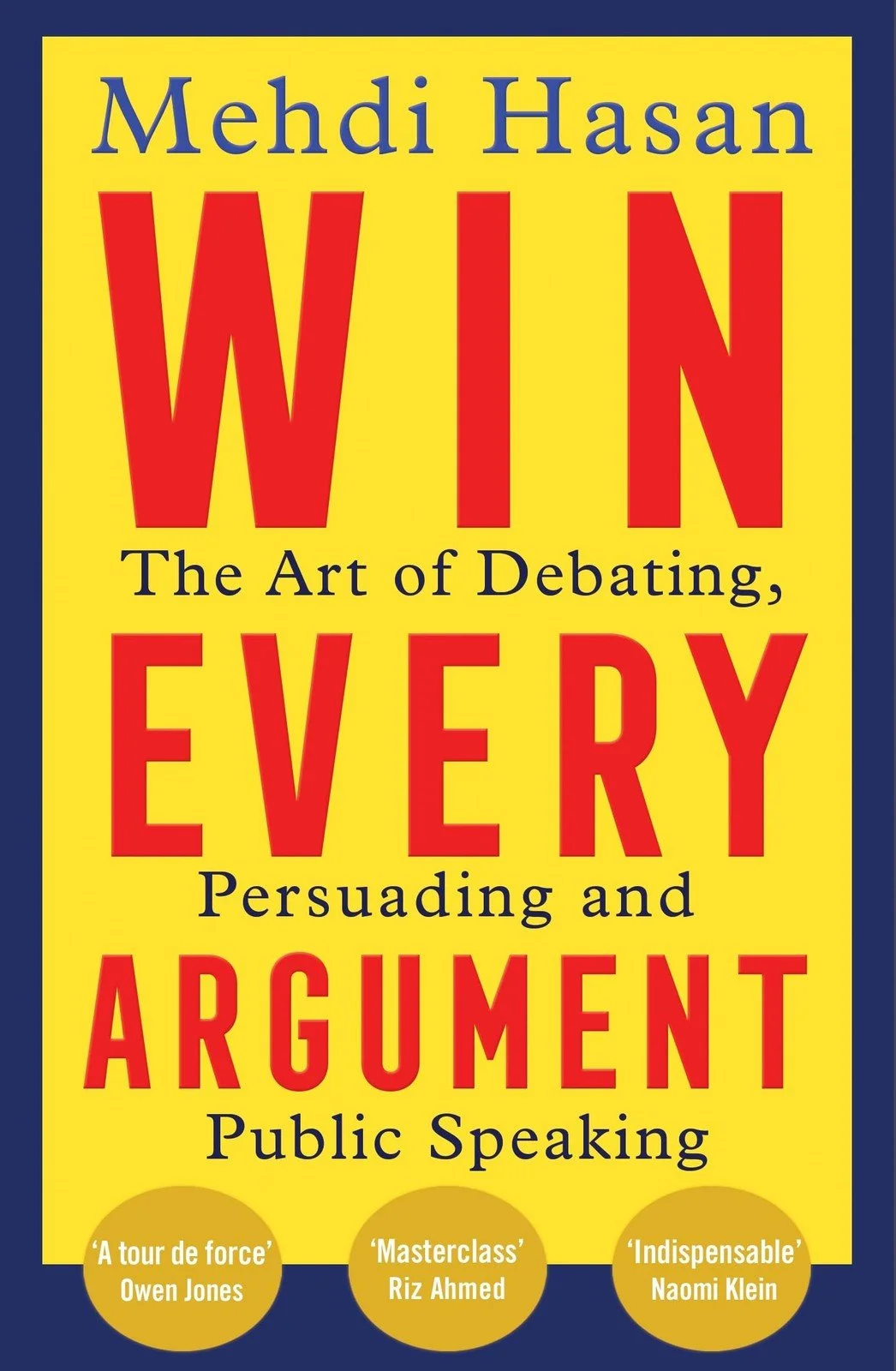
Win Every Argument
Covers persuasion, audience engagement, rebuttal, research and confident delivery. It offers techniques that students can apply to debates, presentations, interviews and public speaking.
Energetic, memorable and immediately applicable to real speaking situations. Some techniques are highly adversarial and may encourage performance over careful discussion if used without judgement.
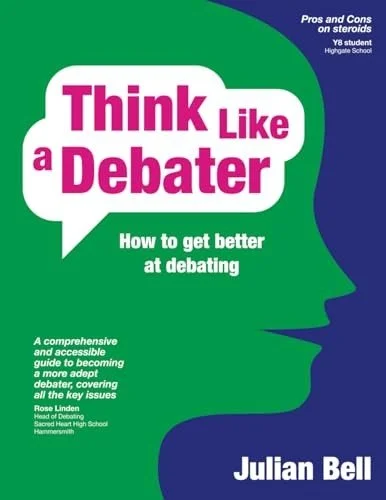
Think Like a Debater
Helps students analyse controversial issues, identify the central disagreement and develop strong arguments for both sides. This can improve confidence when speaking without extensive preparation.
Builds critical thinking, general knowledge and impromptu speaking skills. Gives less attention to body language, vocal technique and speech performance.
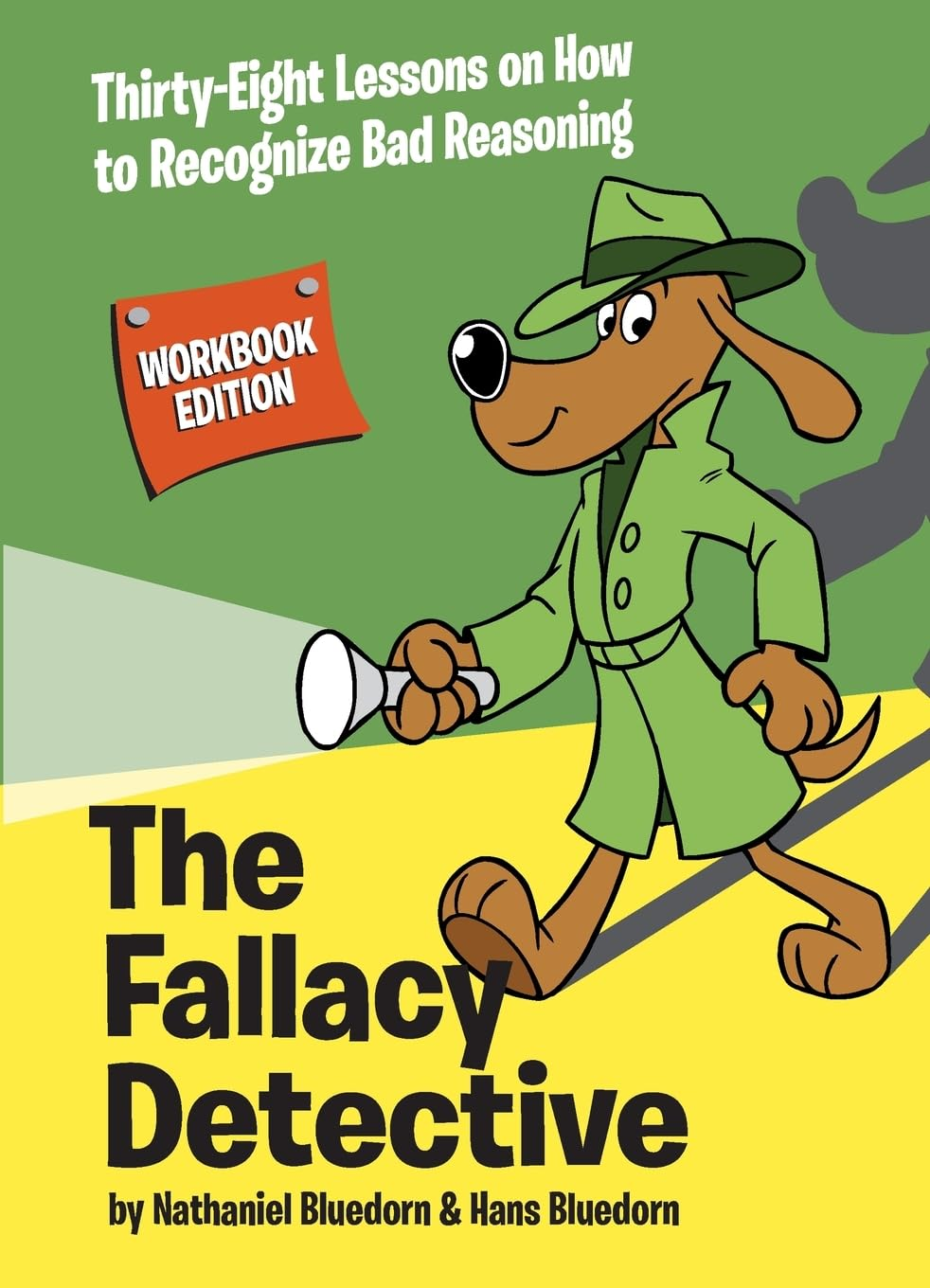
The Fallacy Detective
An accessible guide to recognising weak reasoning, including straw-man arguments, personal attacks, red herrings, false choices and misleading statistics. It can help students challenge arguments clearly and avoid using flawed reasoning in their own speeches.
Memorable examples, short exercises and immediately usable rebuttal skills.
Its cartoons, school-level tone and Christian framing may feel less suited to some university students. It gives little guidance on voice, body language or speech delivery.
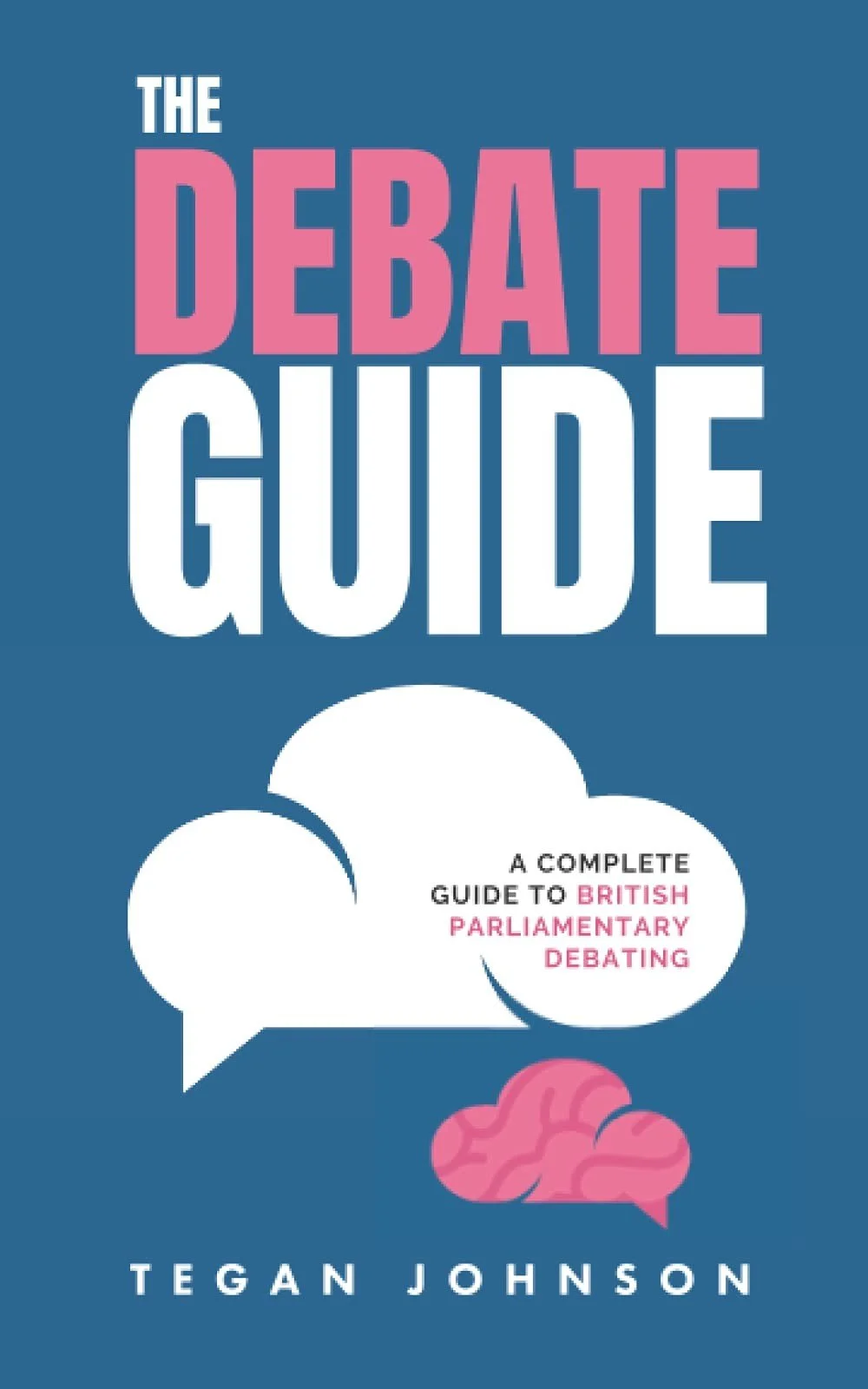
The Debate Guide
A detailed introduction to British Parliamentary debating, including speaker roles, terminology, practice exercises and motions. It is particularly useful for students preparing for university competitions.
Clear format guidance and structured opportunities to practise. Its specialist focus makes it less relevant to presentations, interviews and other forms of public speaking.
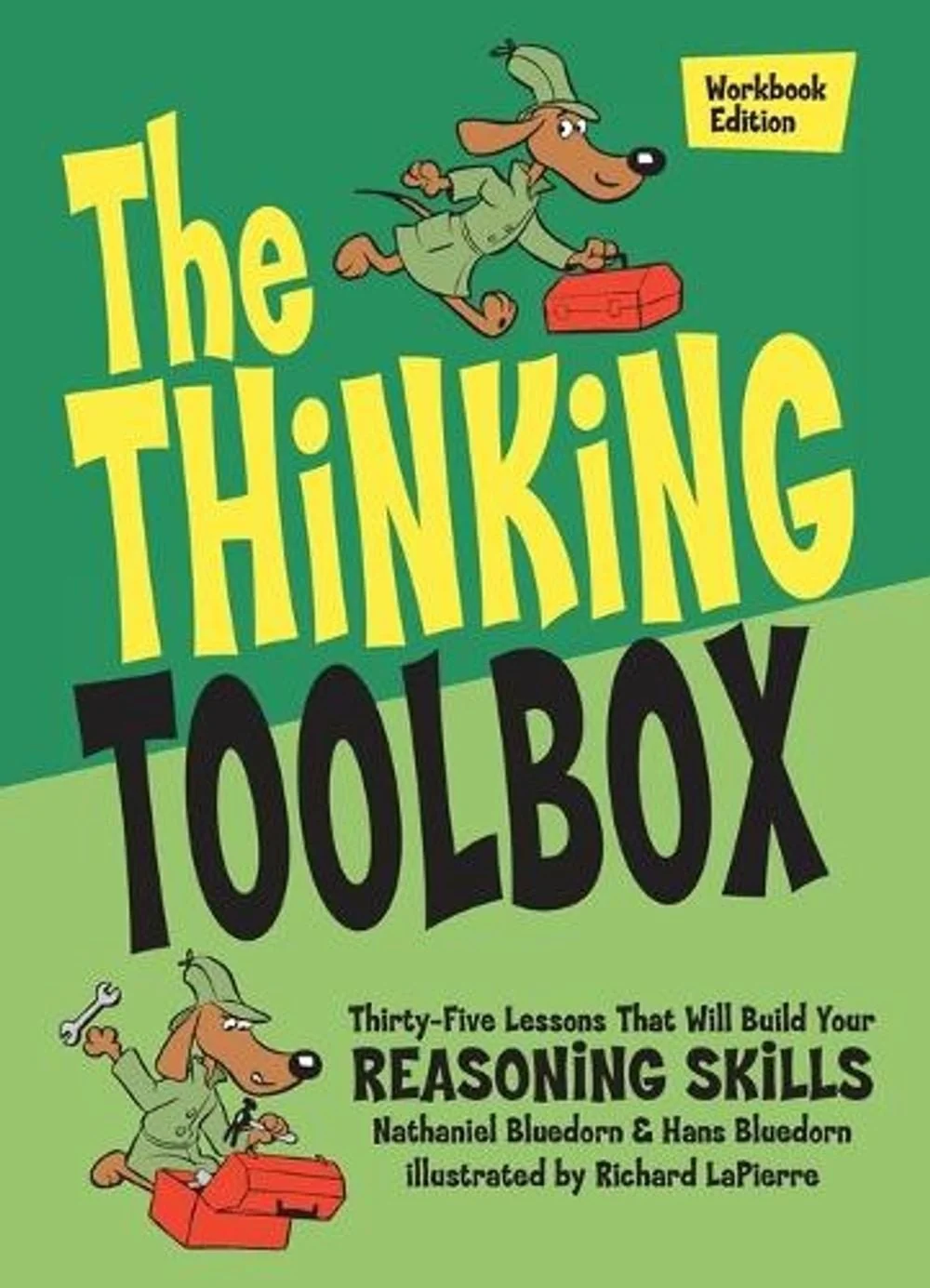
The Thinking Toolbox
A practical introduction to constructing and testing arguments. It covers premises and conclusions, opposing viewpoints, source evaluation, evidence, brainstorming and distinguishing fact from inference or opinion.
Helps students organise ideas, examine both sides and prepare more credible speeches. Includes exercises and can be studied independently.
Introductory rather than advanced, with some material aimed at younger learners. It improves thinking behind a speech more than public-speaking performance itself.
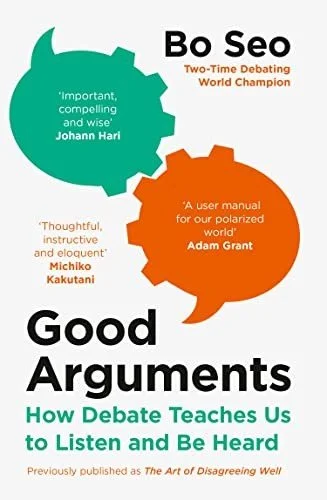
Good Arguments
Explores how debate can develop confidence, careful listening and constructive disagreement. It combines practical lessons with the author’s experiences as a competitive debater.
Accessible, reflective and strong on listening, empathy and audience awareness. Less of a step-by-step speaking manual; the memoir format may feel less direct to students seeking drills.